Description
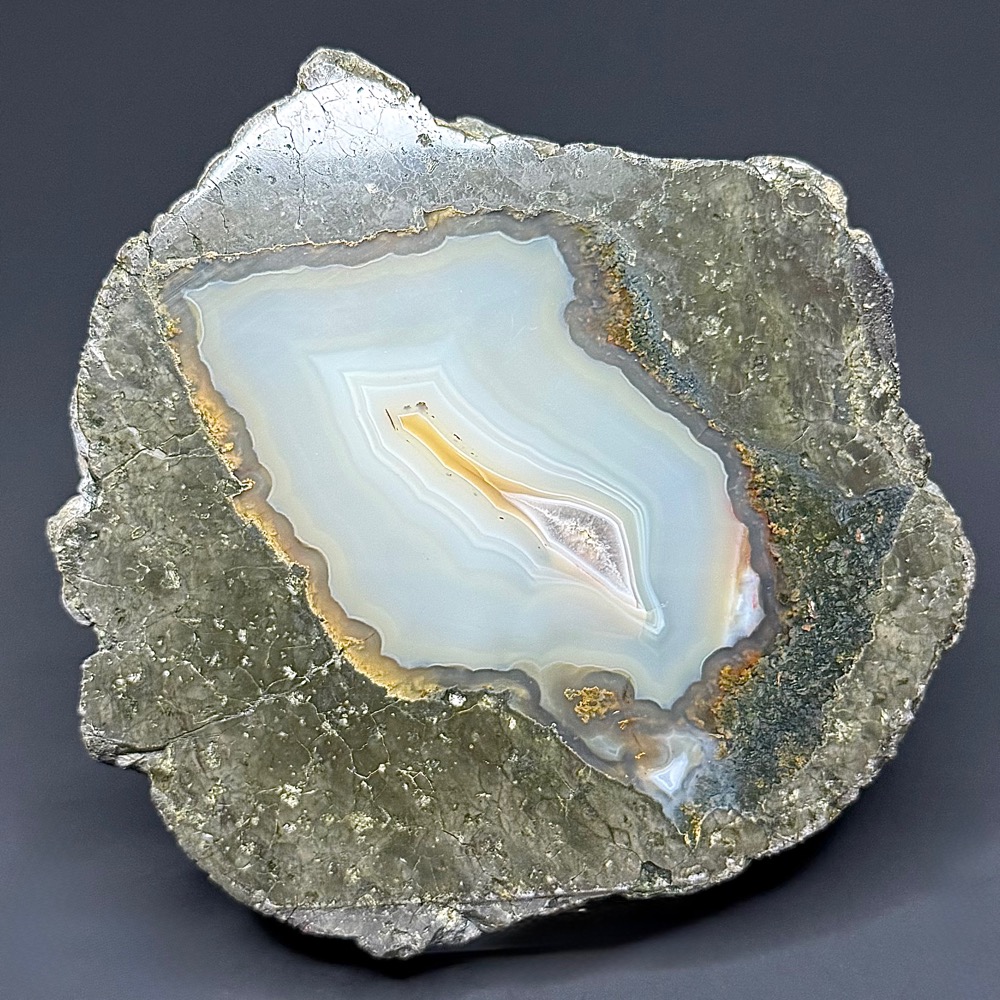
Agates mostly occur as nodules in volcanic rocks or waters containing Silica in solution which is possibly derived from the decomposition of Silicates in the lava. The Siliceous matter is deposited in regular layers resulting in the banded or striped formation. It is very unlikely that you would ever find an exact duplicate of any type of Agate, Brazilian or other.
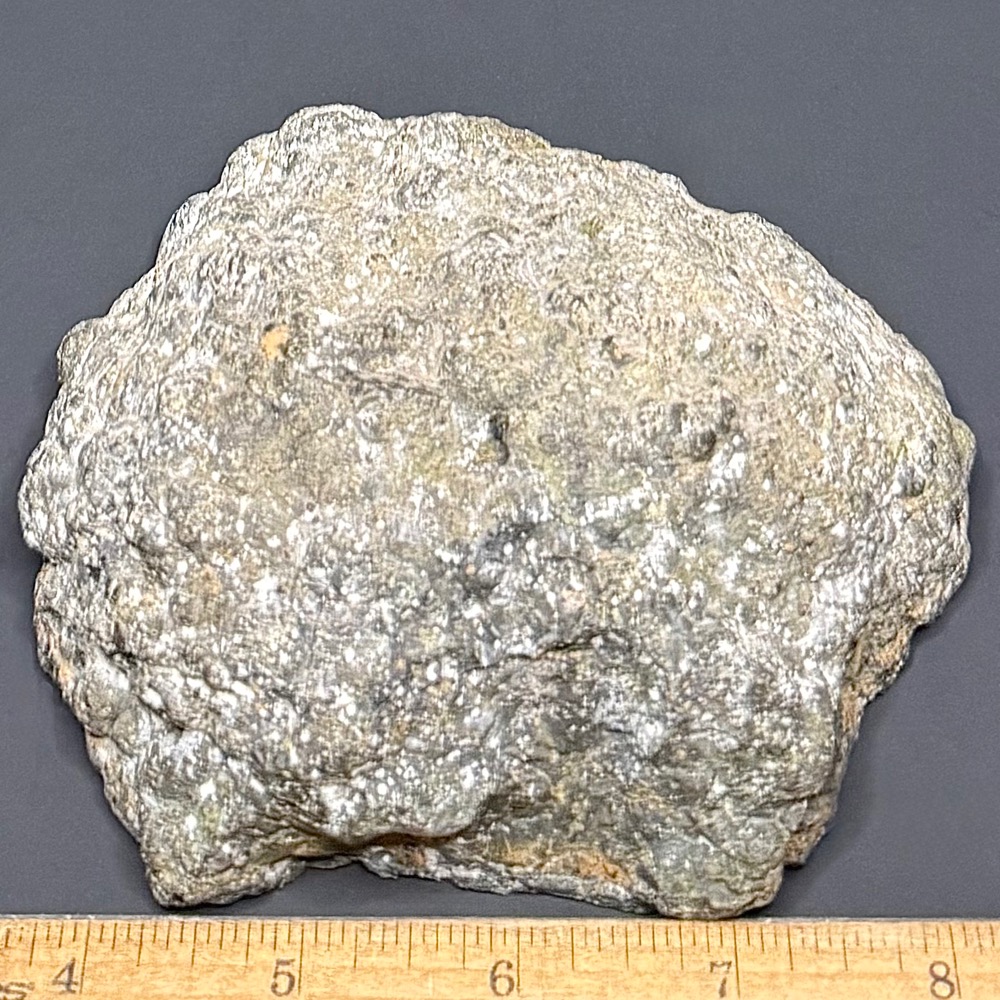
Fossil coral is a natural stone that is formed when ancient coral is gradually replaced with agate. The agatized fossilized coral typically appears as small flower-like patterns in the stone. Fossil Corals thrived in warm, shallow, tropical seas and fed on plankton as they do today. Corals are marine animals with a sac-like body, mouth, tentacles and skeleton. It is the skeleton that survives in the fossil record. Corals may be solitary or found in large colonies. Temperature and pressure from compaction during burial, resulted in those coral deposits over time becoming rock. Of the varieties of fossilized corals found throughout the world exquisitely detailed specimens from the mountains of Indonesia are among the most unique. In Indonesia, entire coral heads are often completely preserved, although their density is much changed by replacement with silica, iron, manganese and other minerals.